Crypto Tax in Germany 2026: Calculate Your Gains with FIFO, LIFO & HIFO (Google Sheets Tool)
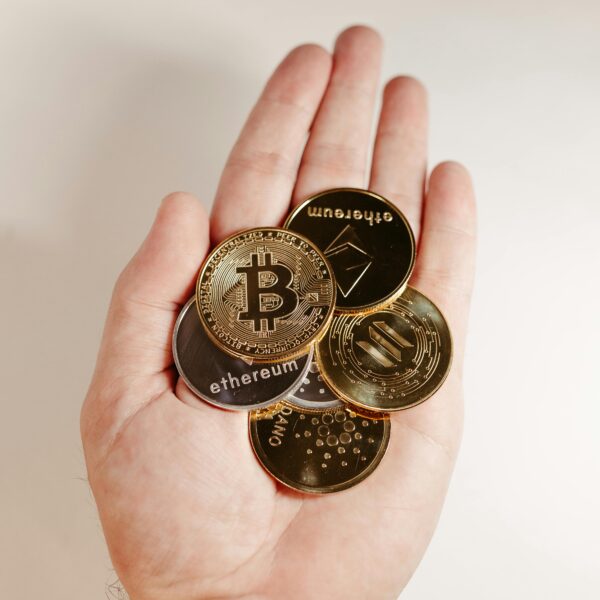
If you’re a crypto investor living in Germany, you already know: the Finanzamt doesn’t forgive mistakes. German crypto taxation is one of the strictest in Europe — but also one of the most misunderstood.
The good news? With the right method and the right tool, you can calculate your tax liability in under 10 minutes.
How is Crypto Taxed in Germany in 2026?
In Germany, cryptocurrency is classified as a private asset (Privatvermögen), not as a financial instrument. This has major implications:
- Gains are tax-free if you held the asset for more than 1 year (the Spekulationsfrist rule)
- Short-term gains (held less than 1 year) are taxed as ordinary income at your marginal tax rate (up to 45%)
- Losses can be offset against gains in the same year or carried forward
- The €600 exemption limit (Freigrenze): if your total short-term gains stay below €600, you pay zero tax
⚠️ This applies to BTC, ETH, and most altcoins. DeFi, staking, and lending have separate rules — always consult a Steuerberater for complex cases.
FIFO, LIFO, or HIFO — Which Method Does Germany Accept?
Germany officially recognizes FIFO (First In, First Out) as the standard method. LIFO and HIFO are not officially approved by the Bundesministerium der Finanzen.
This is a critical difference from countries like the US where HIFO is allowed to minimize gains.
| Method | How it works | Allowed in Germany? |
|---|---|---|
| FIFO | Oldest coins sold first | ✅ Yes — default |
| LIFO | Newest coins sold first | ❌ Not officially |
| HIFO | Highest-cost coins sold first | ❌ Not officially |
However, running all three calculations is still valuable for German investors:
- To understand your worst vs. best-case scenario
- If you hold coins on separate wallets or exchanges (each pool may be treated independently)
- For planning purposes — knowing which coins to sell and when
The 1-Year Holding Rule: Your Best Tax Strategy
The single most powerful tax strategy available to German crypto investors is simple: hold for more than 365 days.
If you bought 0.5 BTC on January 10, 2024 and sell it after January 10, 2025 — regardless of your gain — you owe zero tax.
This makes tracking purchase dates absolutely critical. A good calculation tool should:
- Automatically flag which coins are past the 1-year threshold
- Separate long-term (tax-free) from short-term (taxable) disposals
- Show your remaining tax-free gains for the current year
How to Calculate Your Crypto Taxes in Germany: Step by Step
Step 1 — Export your transaction history
Download a CSV from every exchange you used: Binance, Coinbase, Kraken, Bitpanda, etc. Include all buys, sells, trades, and transfers.
Step 2 — Import into your calculation tool
Paste your transactions into a structured spreadsheet. Each row should include: date, coin, amount, price in EUR, transaction type (buy/sell/trade).
Step 3 — Apply FIFO matching
Match each sale against the earliest purchase of the same coin. Calculate the gain or loss in EUR.
Step 4 — Apply the 1-year filter
Remove all gains from coins held longer than 365 days — these are tax-free.
Step 5 — Apply the €600 exemption
If total short-term gains are under €600, you owe nothing. If they exceed it, the full amount is taxable (not just the excess).
Step 6 — Export your report
You’ll need a summary showing: total gains, total losses, net taxable amount, and a transaction-by-transaction breakdown for your Steuererklärung.
Automate the Entire Process in Google Sheets
Doing all of this manually in Excel is painful and error-prone. That’s why I built the Crypto Tax Calculator — a Google Sheets tool that handles the entire FIFO matching process automatically.
What it does:
- Imports your CSV transactions from any exchange
- Automatically matches buys and sells using FIFO (+ LIFO and HIFO for comparison)
- Flags holdings past the 1-year threshold
- Calculates your net taxable gain in EUR
- Exports a clean PDF report ready for your accountant or Steuererklärung
Why Google Sheets?
- No installation, no account, no subscription
- Transparent formulas — you see exactly how every number is calculated
- Works on any computer or browser
- One-time payment: €39
👉 Download the Crypto Tax Calculator on Gumroad
Frequently Asked Questions
Do I need to report crypto even if I didn’t cash out to EUR? Yes. In Germany, crypto-to-crypto trades (e.g. BTC → ETH) are taxable events if the coins were held for less than 1 year.
What if I used multiple exchanges? Each exchange is treated as a separate pool for FIFO purposes. You need to combine all transactions into one calculation file.
Can I use this tool with Binance or Bitpanda data? Yes — just export your transaction CSV from your exchange and paste it into the Import tab.
Is staking income taxable in Germany? Staking rewards are generally considered ordinary income (Einkünfte aus sonstigen Leistungen) and taxed at your marginal rate. The tax-free 1-year holding period may start from the date of receipt.
Do I need a Steuerberater? For simple buy/sell scenarios, a good calculator is enough. For DeFi, staking, NFTs, or large portfolios, a Steuerberater specializing in crypto (e.g. via winheller.com or cryptotax.io) is worth the cost.
Summary: German Crypto Tax Checklist for 2026
- Hold coins for 12+ months whenever possible → tax-free
- Keep total short-term gains below €600 → tax-free
- Use FIFO as your primary calculation method
- Track every transaction including crypto-to-crypto trades
- Export a clean report before filing your Steuererklärung
- Use an automated tool to avoid manual errors
Disclaimer: This article is for informational purposes only and does not constitute tax or legal advice. German tax law is complex and changes frequently. Consult a qualified Steuerberater for your specific situation.